New retting data from the 2026 growing season now available in our techniques archive.

Our journey with flax fiber craft

We began with a single question: why does most linen knowledge live in museums instead of workshops? From that starting point, we built a resource that treats retting, breaking, and hackling as measurable, repeatable processes.

Three stages of preparation. One thread. Zero shortcuts.

We do not treat flax processing as a nostalgic exercise. It is a physical discipline with variables that can be controlled, measured, and improved. Our philosophy rests on the assumption that tradition and precision are not opposing forces.

Every batch of stalks carries different moisture content, lignin density, and microbial load.

Retting duration depends on temperature, humidity, and airflow more than on calendar days.

Breaking must match the degree of retting; under-retted fiber shatters, over-retted fiber collapses.

Hackling is a sorting operation, not merely a cleaning one; grades emerge from consistent combing.

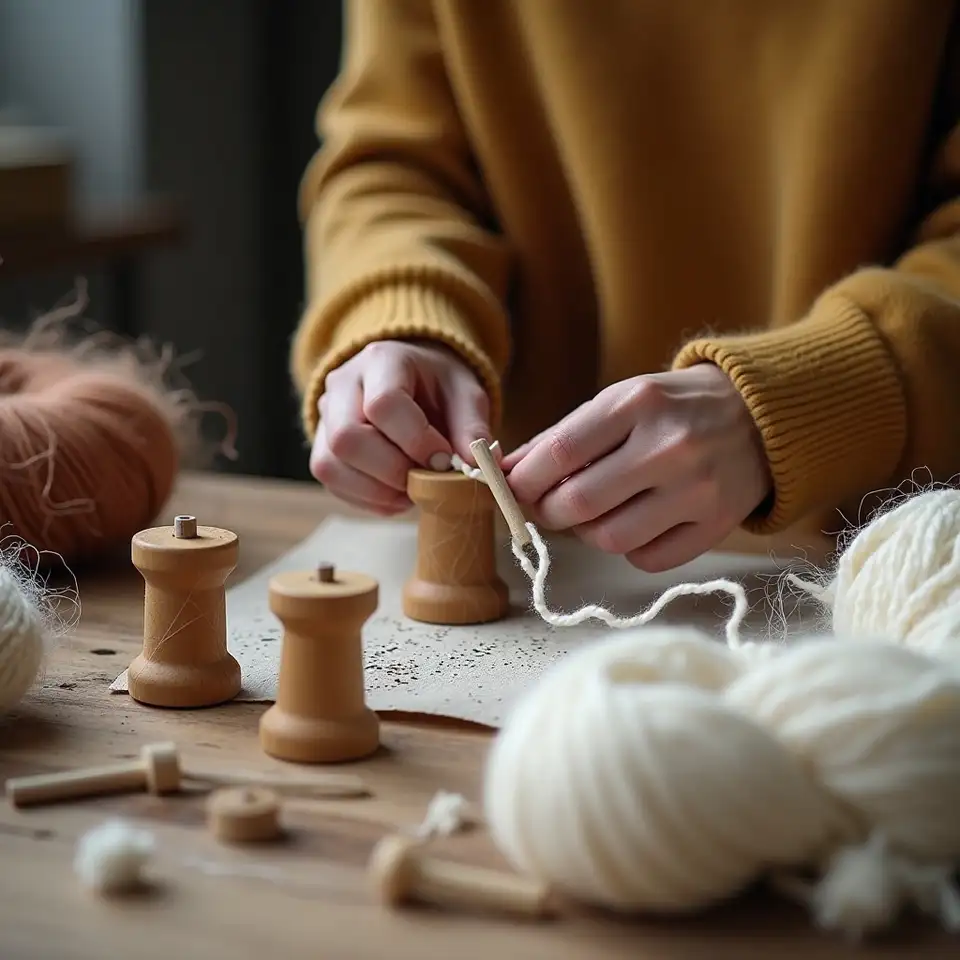
Handspinning linen requires draft adjustment based on fiber length and diameter variation.

Finished thread quality is judged by evenness, tensile strength, and behavior under tension.

Documentation matters more than intuition for repeatable results across seasons.

We share what we have learned and acknowledge what we still do not fully understand.

How this resource grew

From a single notebook of retting observations to a shared archive of fiber processing data

Documented experiments

Each retting trial is logged with weather data, stalk source, duration, and fiber outcome.

Shared knowledge base

Methods are published openly so others can replicate, challenge, or improve them.

Practitioner network

We connect spinners, growers, and weavers who trade notes on fiber behavior.

What started as private field notes evolved into a community of practitioners who record, compare, and refine their methods. We publish what we test, revise what we misjudge, and invite others to do the same. Our goal is not to preserve flax craft as a museum piece but to keep it alive as a living, documented practice.

Our commitments

We operate by a set of principles that shape how we document, publish, and interact with the flax processing community

Clear methods

We describe each processing stage in plain language with measurable parameters rather than vague tradition.

Honest limits

We state what we do not know and where our data remains incomplete or unverified.

People behind the fiber notes

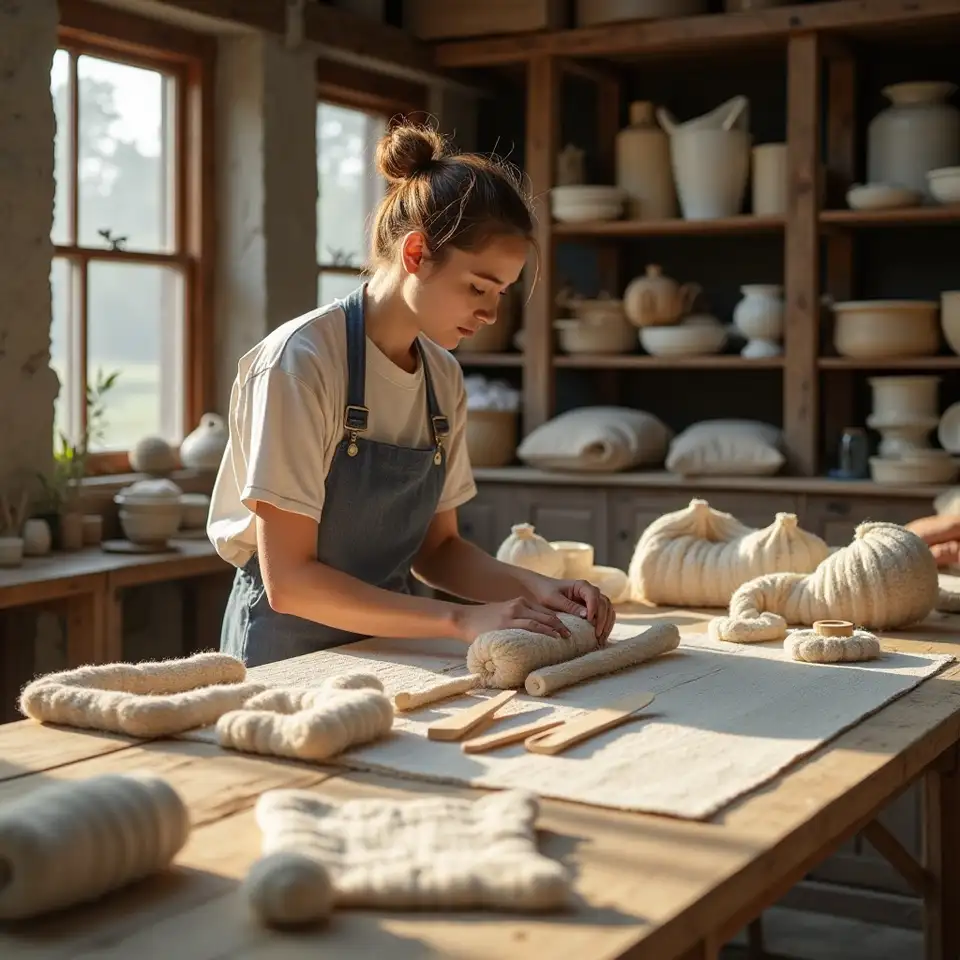
Flax processing tools arranged on workshop table
Flax behavior changes with soil, season, and processing choices. No single practitioner has tested every combination. We are building a shared dataset of retting conditions, breaking techniques, and spinning outcomes so that new entrants do not start from zero.

If you process flax, grow it, or spin it into thread, your observations belong in this archive. We do not require perfect data. Incomplete logs with honest notes are more useful than polished myths.

What to contribute

Retting logs with weather conditions, stalk source, duration, and final fiber assessment.
Breaking technique details including tool type, force applied, and fiber damage rate.
Hackling results sorted by grade, fiber length distribution, and spinning performance.
Observed anomalies or unexpected outcomes that challenge standard assumptions.

Cookie preferences

Cookie preferences

We use cookies to support core website functions and to understand how visitors interact with our flax fiber processing archive. You can choose which cookies you accept.

We use cookies to support core website functions and to understand how visitors interact with our flax fiber processing archive. You can choose which cookies you accept.

Essential cookies

These cookies are necessary for the website to function and cannot be switched off. They support features like form submissions and page navigation.

Performance cookies

These cookies help us measure and improve website performance by collecting anonymous information about page visits and navigation patterns.

Preference cookies

These cookies remember your settings and choices, such as language preferences or display options, to provide a more consistent experience.