New retting data from the 2026 growing season now available in our techniques archive.
Craft with fiber

Hands-on projects using hand-processed flax fiber

We document projects that move flax from raw stalk to finished object. Each entry records the fiber source, processing method, and adjustments made along the way so others can learn from both success and failure.
Spinning and thread work
Weaving and fabric
Cordage and twine
Papermaking and art
Hero Image

Community flax projects

Documented work from growers and spinners who publish their methods, measurements, and honest assessments of the finished result

Each project includes fiber source, processing variables, and outcome notes. We favor incomplete records with real numbers over polished narratives without data.

Handwoven linen table runner from dew-retted flax
Weaving

Dew-retted table runner

A weaver in coastal Victoria processed a single flax harvest through dew retting, then spun the line into warp and wove a narrow table runner. The project log records retting duration, breaking adjustments for uneven retting, and the final thread count achieved.
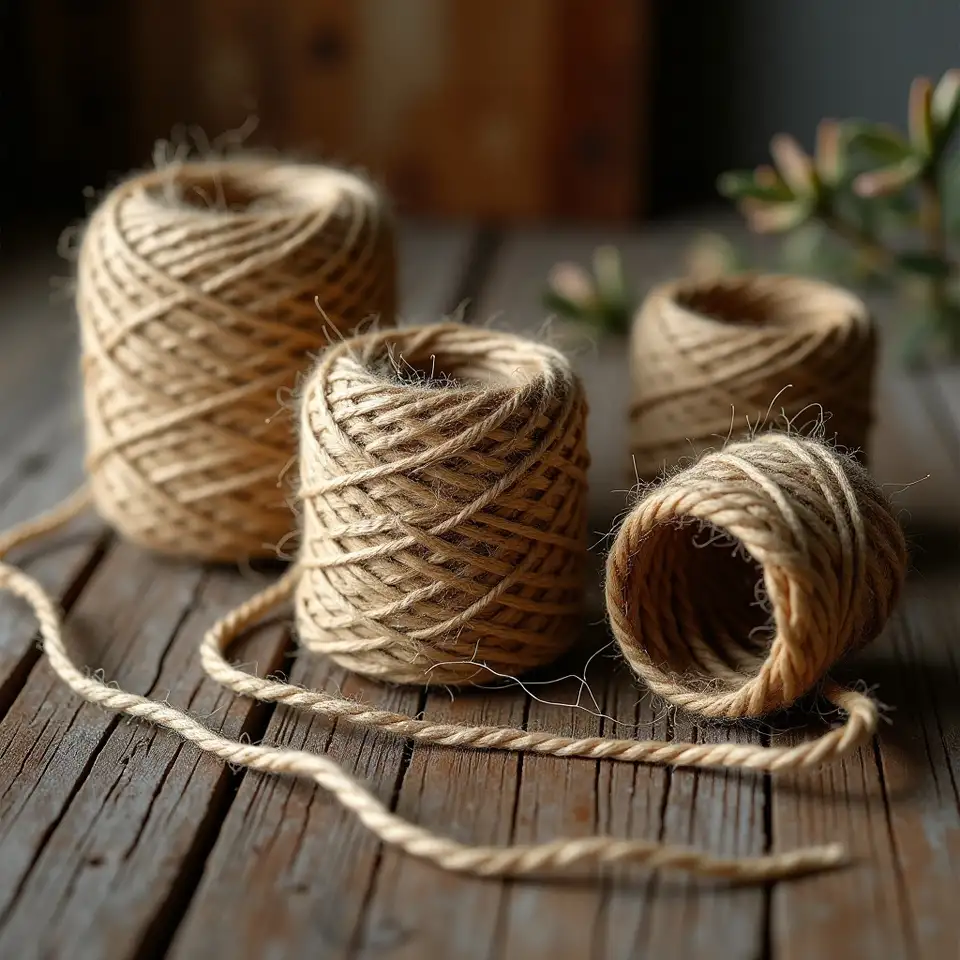
Handspun flax tow cordage for garden use
Cordage

Tow cordage for garden ties

Rather than discarding tow from hackling, a grower in South Australia carded the short fibers and spun them into coarse cordage. The project compares breaking strength of tow cord against commercial jute and documents the time investment per meter.


Project types to explore

Flax fiber supports a wider range of projects than most newcomers assume. Long line spins into strong, smooth thread suitable for warp in weaving or fine lace. Short tow produces softer, more textured yarn for weft, knitting, or stuffing. Unspun fiber can be incorporated into handmade paper for textured sheets, or twisted into simple cordage for garden and household use. Each application demands different preparation: line requires thorough hackling and damp spinning, while tow tolerates less refined processing. We encourage practitioners to publish projects that test the boundaries of their fiber rather than reserving only the best batches for display.

Documenting your project

A three-stage method for recording flax work so others can replicate or adapt it

Note the stalk variety, harvest date, retting method, and duration. Include weather data for dew retting or water temperature for tank retting. These variables explain more about fiber behavior than any subsequent processing choice.

Document breaking pressure, hackling pin progression, and any deviations from standard technique. Record failures as thoroughly as successes: a shattered fiber batch teaches more when the cause is identified.

Report finished yield as a percentage of raw stalk weight, note thread characteristics, and photograph the final object. Honest assessments with modest results advance collective knowledge more than selective success stories.

Finished flax work

Photographs of completed projects and works-in-progress from practitioners across regions

Flax fiber project workspace with tools and materials
Share your work

Contribute a project to the archive

We publish project logs from practitioners at every skill level. A documented failure with measured variables teaches more than an undocumented success. Submit your observations through our contact form and we will work with you to format them for the archive.

Every log adds value

Forty
Documented projects spanning retting experiments through finished textile objects, each with measurable variables and honest outcome notes
Twelve
Active contributors who regularly publish project logs and respond to questions from newcomers about their methods and materials

Cookie preferences

Cookie preferences

We use cookies to support core website functions and to understand how visitors interact with our flax fiber processing archive. You can choose which cookies you accept.

We use cookies to support core website functions and to understand how visitors interact with our flax fiber processing archive. You can choose which cookies you accept.

Essential cookies

These cookies are necessary for the website to function and cannot be switched off. They support features like form submissions and page navigation.

Performance cookies

These cookies help us measure and improve website performance by collecting anonymous information about page visits and navigation patterns.

Preference cookies

These cookies remember your settings and choices, such as language preferences or display options, to provide a more consistent experience.