New retting data from the 2026 growing season now available in our techniques archive.
Flax fiber techniques explained
We compare retting methods, breaking approaches, and hackling sequences against each other so you can choose based on your conditions, not on tradition alone. Every technique here has been tested and logged with measurable outcomes.
Three stages of preparation. One thread. Zero shortcuts.
Tracked
Hours documented across retting trials
Craft hours
Field tests
Twelve sites
Fiber batches
Forty runs
Compare retting methods and outcomes
Retting choices
Dew retting spreads stalks on grass and relies on ambient moisture, sunlight, and
microbial action. It demands patience and favorable weather, typically yielding
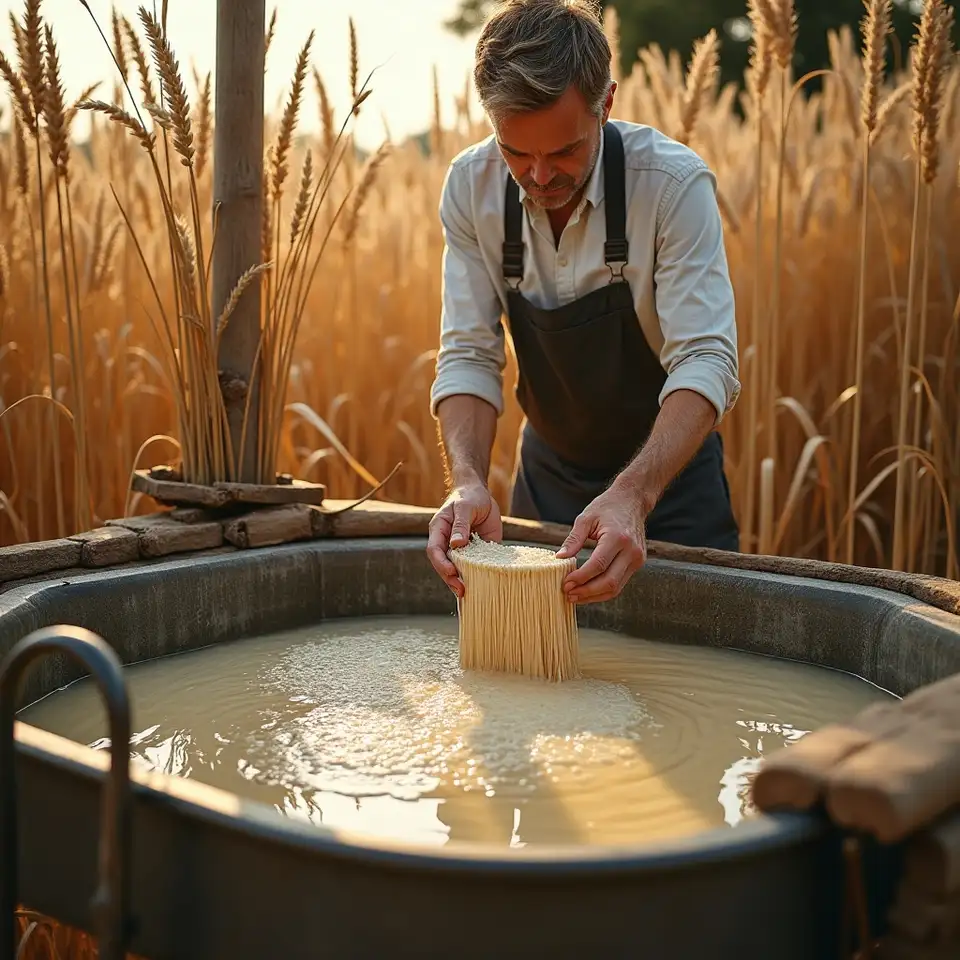
fiber with a slightly darker hue and more variable texture. Water retting submerges
bundles in tanks, producing more uniform fiber in less time but requiring water
management and closer monitoring for anaerobic over-fermentation. Controlled
environment retting in greenhouses or climate chambers offers the most consistent
results but requires infrastructure most hobbyists lack. We document all three,
noting that no single method dominates across all climates and scales.
Breaking and hackling
A five-step sequence from dried stalk to graded fiber
One
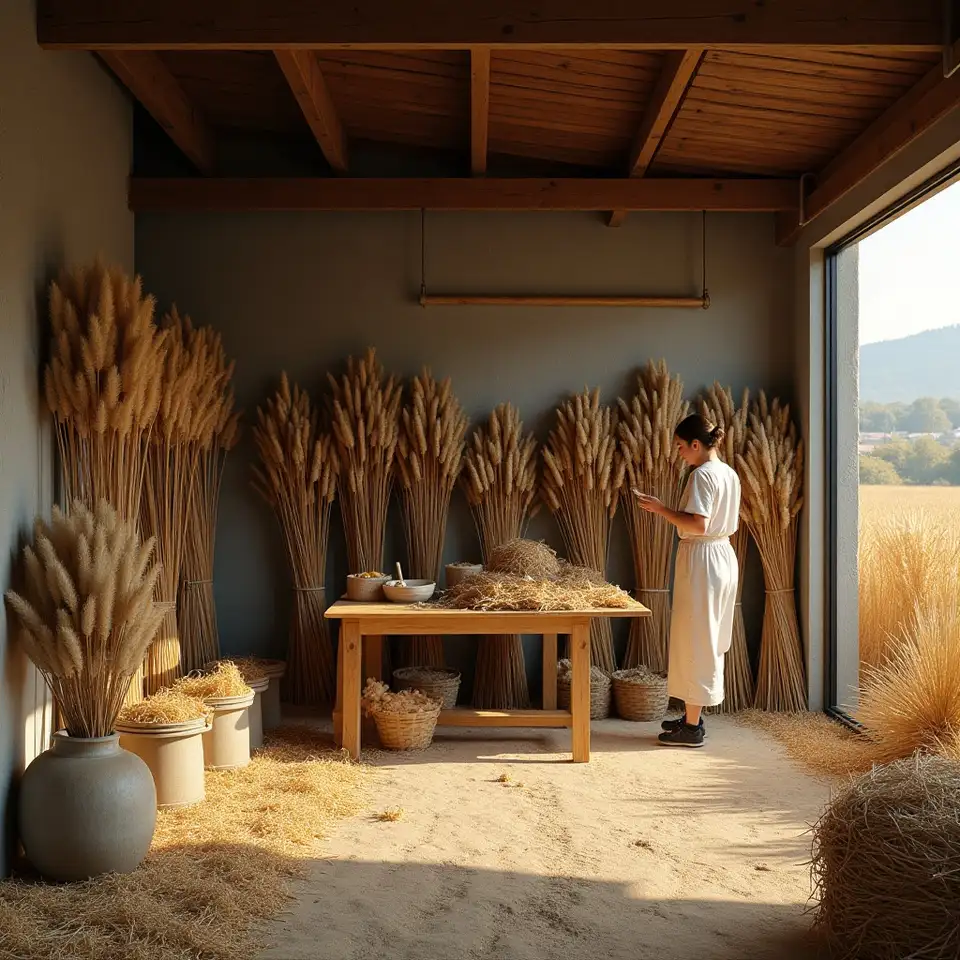
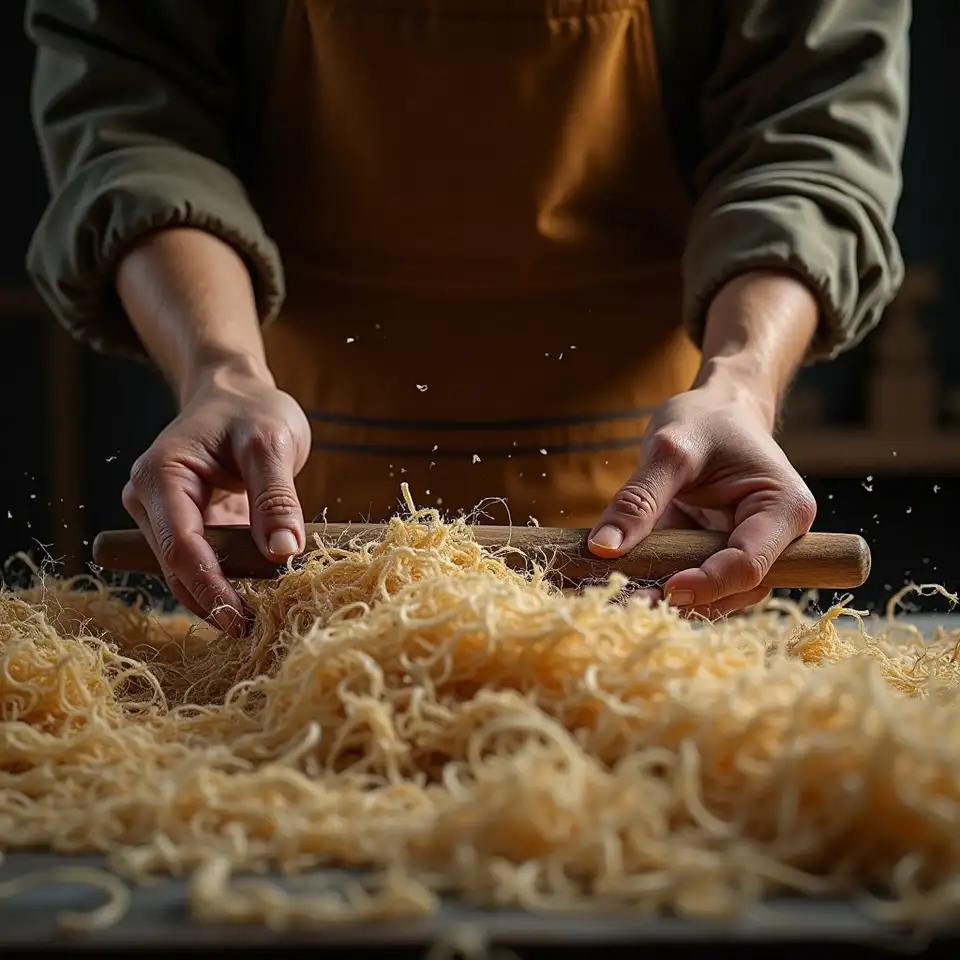
Dry and store
Retted stalks must dry to uniform moisture content before breaking. Uneven drying causes some stems to shatter while others resist separation. Store under cover with airflow.
Two
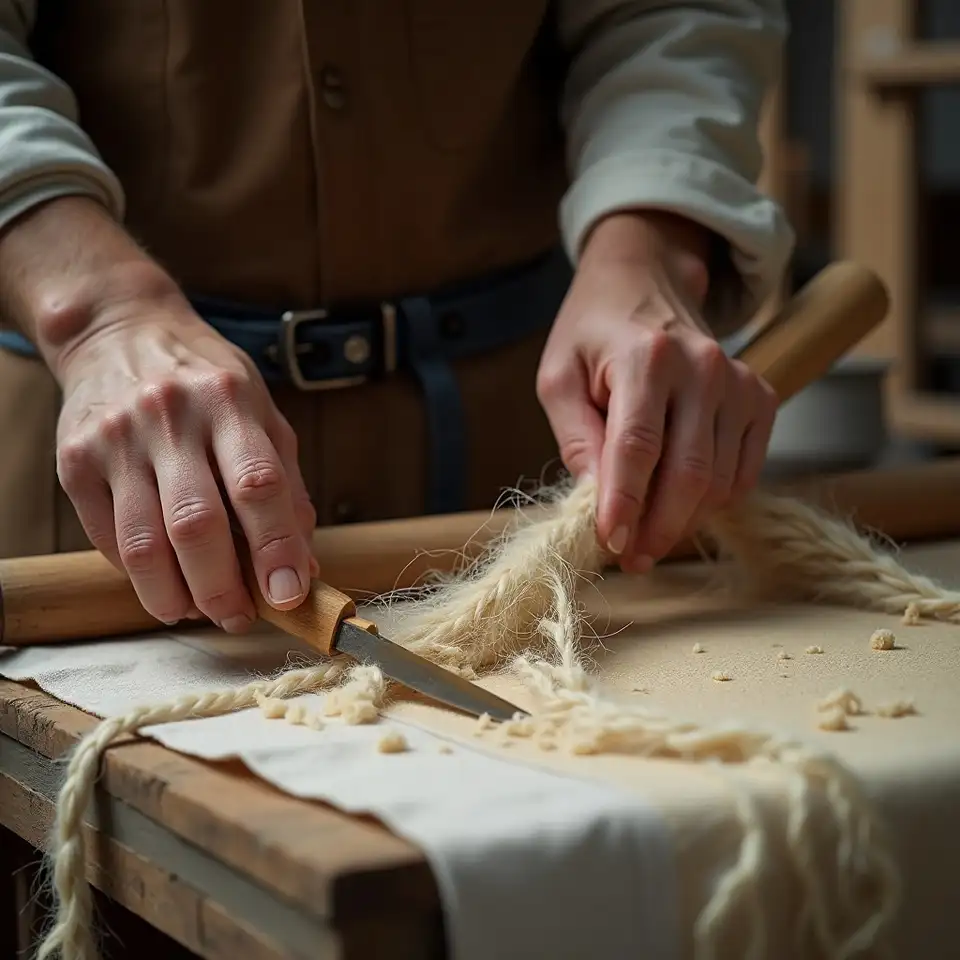
First break
Apply pressure across the full length of the stalk to crack the woody core. The goal is to shatter the center without crushing the outer bast fiber layer. Adjust pressure based on retting completeness.
Three
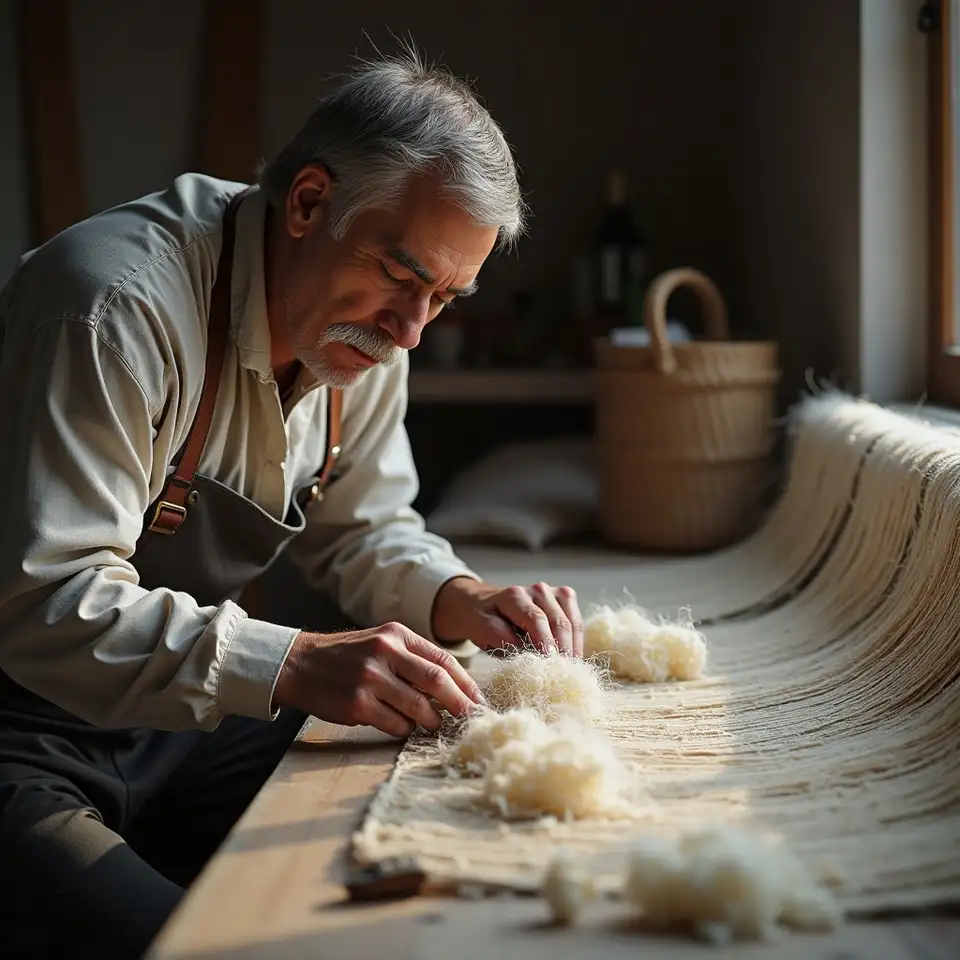
Scutching scrape
Use a wooden knife or board to scrape away loosened wood fragments and remaining
bark. This step removes material the break dislodged but did not fully separate
from the fiber bundles.
Four
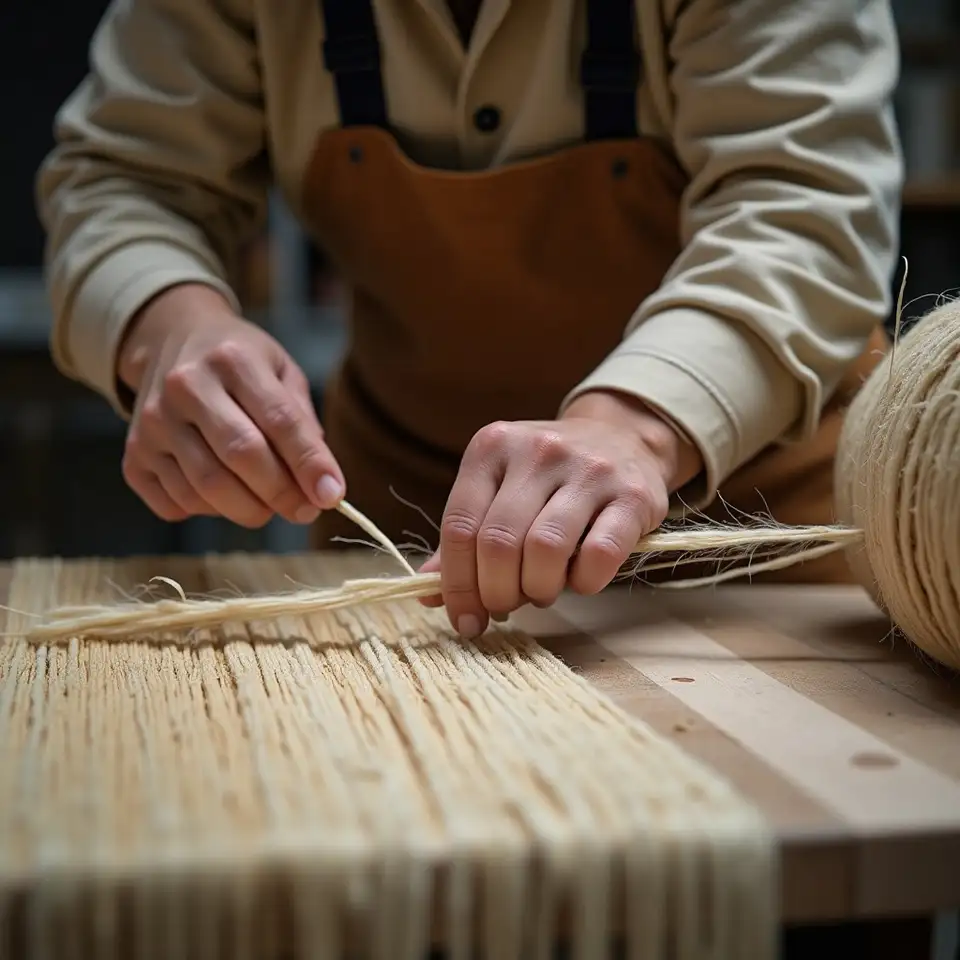
Coarse hackling
Draw fiber through widely spaced iron pins to remove short tow, remaining shive, and tangled fragments. This first combing separates the longest line from everything else.
Five
Fine hackling
Progress to finer pin sets to align the long fibers and remove any remaining short fragments. The result is graded line ready for damp spinning, with tow saved for coarse yarn or cordage.
Refining your technique
Advanced adjustments for practitioners who have completed several batches and want to
improve consistency
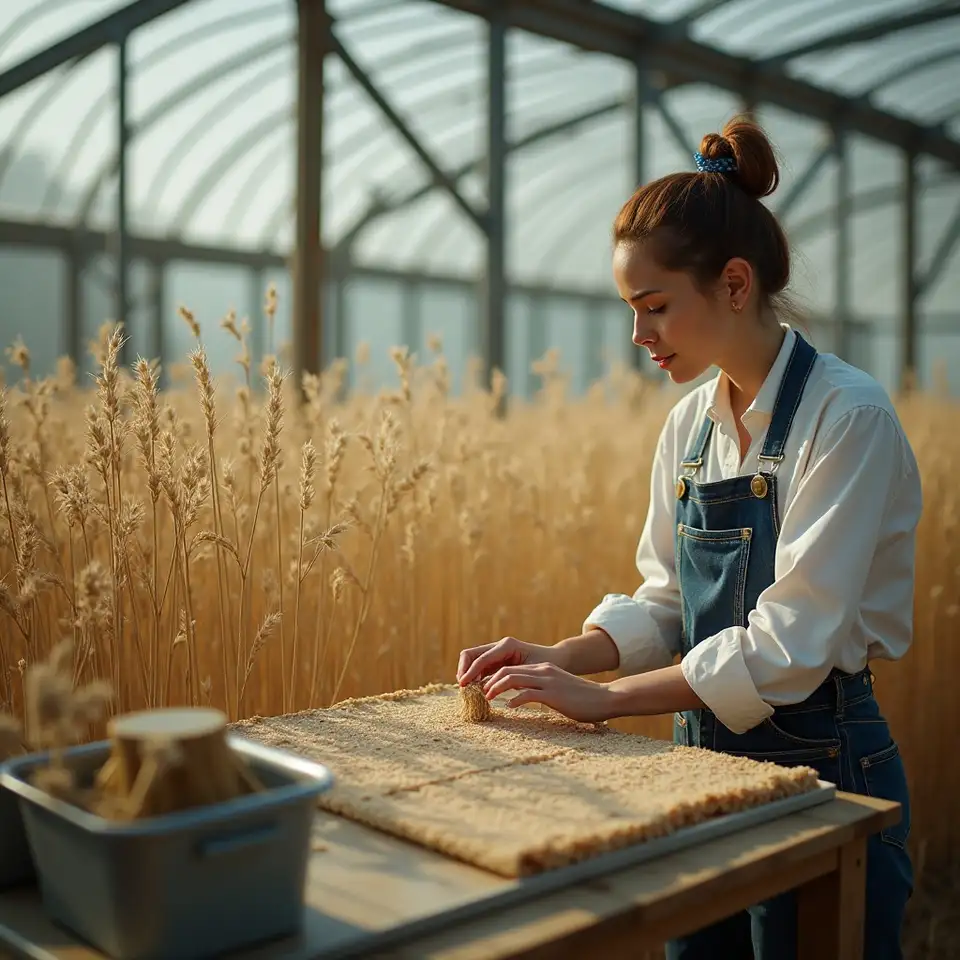
We tested three retting methods side by side for four seasons. Dew retting won on fiber
strength but lost on consistency. Water retting reversed that trade-off. Controlled
environment retting outperformed both but required infrastructure we could not justify
at our scale.
Share your technique observations
Our archive grows when practitioners publish what they have tested, revised, or abandoned. Submit a technique note, a failed experiment, or a regional variation that challenges standard assumptions. We publish what we can verify and invite discussion on what remains uncertain.
Document your methods
Record retting conditions, breaking adjustments, and hackling grades with enough detail that another practitioner could replicate your approach.
Publish your outcomes
Share yield percentages, thread measurements, and honest assessments of what worked and what did not in your specific conditions.
Join the discussion
Respond to published techniques with your own data, corrections, or questions that push the collective understanding forward.
Average usable fiber yield from dew-retted stalks processed through our documented three-stage method, measured across consecutive growing seasons.